About Me
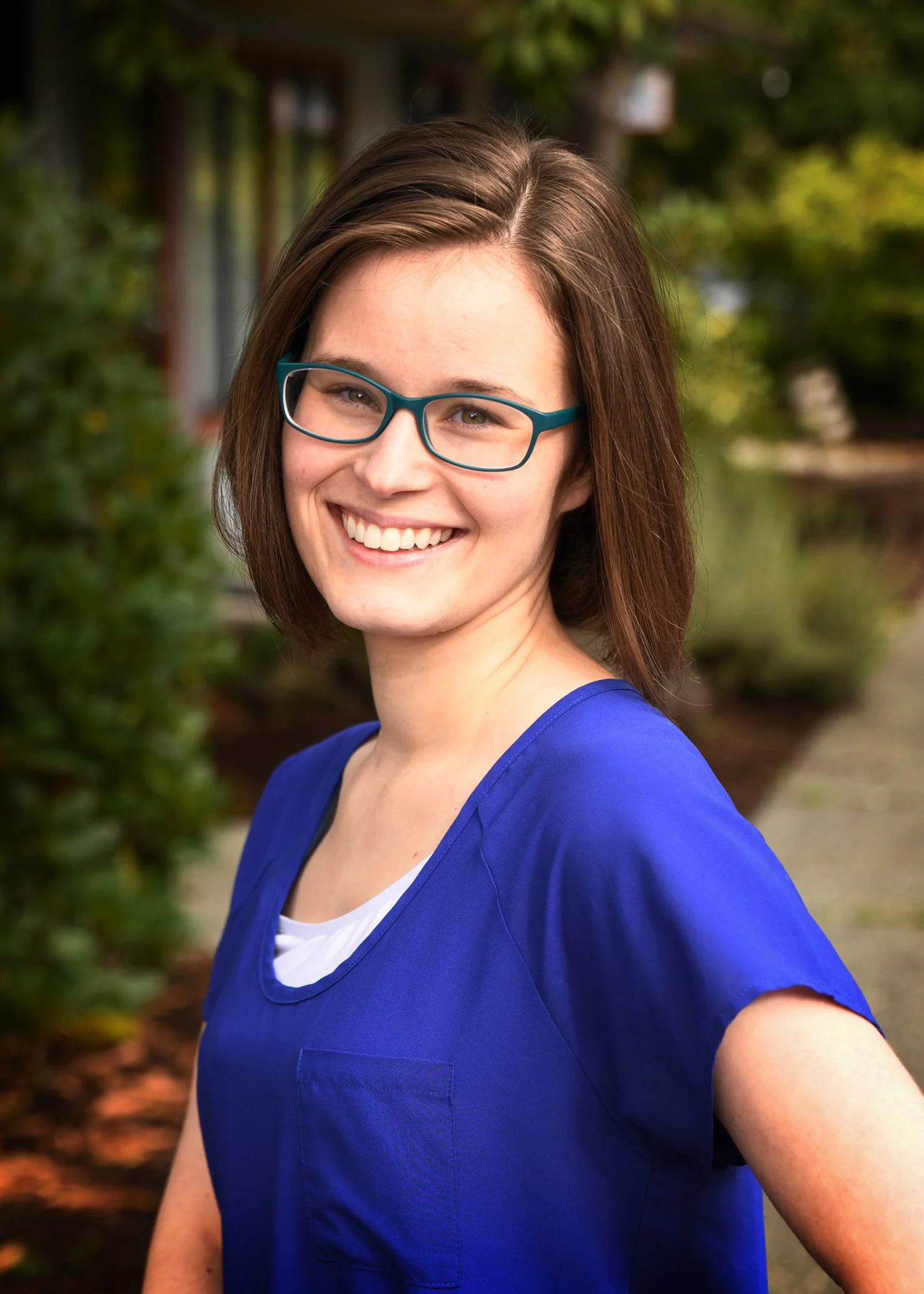
I didn’t stumble into therapy by accident. I came to it like someone following a thread—one woven through early interest, aching questions, and a hunger for meaning.
As a child, I read psychology books the way other kids read fiction. Man’s Search for Meaning awakened something in me. Frankl’s writing on connection, courage, and love in the face of unimaginable suffering felt less like a theory and more like an invitation. From there, I followed the thread through the voices of: bell hooks, Toni Morrison, Sylvia Plath, Audre Lorde, Maya Angelou and Alice Miller. These voices gave me language for things I had already sensed and new definitions for things I thought I had understood. They showed me that healing could be liberatory, that love could be resistance, and that relationship could be a site of deep transformation.
I started where many of us social workers begin—on the ground, with people in crisis. Over 20 years ago, I took my first crisis-line call, and went on to facilitate therapy groups, and offer individual care. I was learning to sit with suffering, to listen closely, and to let people’s stories shape the work. But the thread kept pulling me wider.
Under the mentorship of fierce, intersectional feminists, I later stepped into systems-level work: designing programs and pushing toward for organizational change. I saw how systems often fail to honor the lived realities of those most impacted, how minoritized voices are too easily silenced or flattened in the name of policy or professionalism. Yet, the thread ran straight through all of it—linking the personal and the political, insisting that one could never be fully separated from the other.
I returned to individual work ten years ago, this time with a deeper sense of what I was holding. I came back clearer that healing isn’t separate from the systems we navigate or the identities we carry. It’s inextricably linked.
These days, I find myself holding the thread lovingly. I trust what it’s taught me—that healing lives in relationship, that bodies carry truths language can’t always reach, and that real change asks us to stay close to what’s hard and alive. The thread continues to guide me—through deeper questions, more openness to wholeness and complexity, and toward the kind of therapy that feels most like home.
Training & Experience
I hold a Master of Social Work from the University of Washington (2009) and advanced training in EMDR through the EMDR International Association (EMDRIA). My clinical practice is informed by deep mentorship with feminist psychologists and therapists and ongoing training Functional Analytic Psychotherapy (FAP) — including work toward becoming a Certified FAP Consultant and Trainer.
Beyond Direct Practice, I’ve created a neuro‑affirming, FAP‑inspired protocol for supporting parents of Autistic and ADHD children, and served as lead therapist on the randomized controlled trial testing it through the University of Washington’s Center for the Science of Social Connection (Dr. Mavis Tsai’s lab). I contribute to the field through national and international training in intersectional feminist therapy, queer and trans affirmative practice, and neuro‑affirming approaches, and recently as a contributing author to an upcoming neuro‑affirming social work textbook.

Walking the Spiral
Working together isn’t about advice or solutions. It’s a space to ask who you are, what you want, and what you’re willing to risk to become more fully yourself.
I bring a deep reverence for what this work asks of us. I’ve lived the trembling that comes when we dare to change old patterns—the ache of outgrowing what once kept us safe. I see healing as a spiral, not a straight line: a return to yourself, again and again, with more truth and care each time.
The space between us is not theoretical—it’s part of the work itself. It’s where we notice what shows up in real time: your patterns, your protectors, your longings. Together, we use the relationship to practice something new. A different kind of truth-telling. A slower kind of presence. A way of relating that doesn’t collapse or contort. Rupture isn’t failure here—it’s an opening, an invitation to repair and rewire.
In the room, I offer myself as witness, midwife, and sometimes a well-timed disruptor. I won’t disappear behind nods or endless affirmations. I’ll meet you with warmth, clarity, and the belief that something transformative happens when we bring ourselves into relationship.
This is work that lives in the body, in the space between us, in the moments where something shifts—not always loudly, but undeniably. If you’re drawn to the kind of healing that invites you to risk being known, I welcome you.
You’re invited to reach out when you are ready.